Sand Blasting vs. Enzyme Washing: Which Denim Finish Is Better?
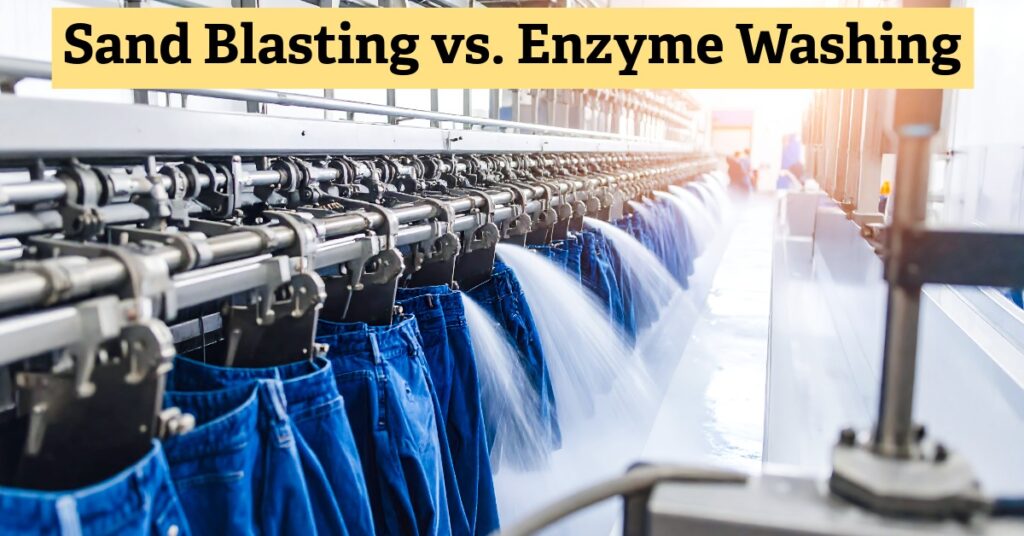
Denim finishing techniques significantly shape the look, feel and performance of a garment, yet many consumers remain unaware of how these processes influence the jeans they wear daily. Among the most impactful methods are Sand Blasting and Enzyme Washing, two contrasting ways of creating faded effects, texture and softness. This article explains the science behind each denim finish, compares their aesthetic and technical outcomes, and helps you determine which method delivers the best balance of comfort, durability and modern style.
Understanding Sand Blasting
Definition for Google Snippet
Sand Blasting is a mechanical denim finishing method that uses high-pressure streams of abrasive material—typically sand or aluminum oxide—to remove indigo from the fabric surface. This process produces sharp contrasts, strong whiskers and a heavily distressed appearance, ideal for bold vintage aesthetics but harsh on both fibres and worker safety.
Sand blasting rose to popularity during the 1990s, when rugged, strongly faded denim became mainstream. The technique relies on abrasive erosion, meaning the high-velocity particles physically grind away the dye layer. As a result, sand-blasted jeans have:
- Intense light–dark contrast
- Aggressive whiskering
- Distressed knee and thigh highlights
- A dramatic “worn-in” aesthetic
However, this finish is also linked with significant drawbacks. The abrasive force weakens cotton yarns, reducing fabric longevity, and traditional sand blasting has been banned in many regions due to health concerns associated with silica dust exposure.
Understanding Enzyme Washing
Enzyme Washing is a bio-based denim finishing method that uses cellulose-degrading enzymes to soften the fabric surface and remove excess indigo gently. This results in smoother fades, a natural worn-in look, improved comfort and reduced fibre damage, making it a sustainable alternative to mechanical distressing.
Enzyme washing works through biochemical action. Cellulase enzymes target surface fibres, loosening tiny cellulose fragments without breaking down the fabric’s structural yarns. Compared with sand blasting, enzyme-washed denim delivers:
- Softer hand feel
- Subtle, naturally blended fades
- Minimal mechanical damage
- A cleaner and more modern aesthetic
Because the process uses lower mechanical force and less energy, enzyme washing aligns with global expectations for environmentally responsible denim production.
Key Differences Between Sand Blasting and Enzyme Washing
- Fade intensity: Sand blasting creates sharp contrasts; enzyme washing creates soft fades.
- Fabric impact: Sand blasting weakens fibres; enzyme washing preserves structure.
- Comfort level: Enzyme-washed denim is smoother and more comfortable.
- Environmental footprint: Enzyme washing is significantly more sustainable.
- Safety considerations: Sand blasting poses respiratory risks; enzymes do not.
- Durability: Enzyme finishing produces longer-lasting wear.
- Aesthetic style: Sand blasting = rugged vintage; enzyme washing = modern and refined.
Which Denim Finish Is Better for Everyday Jeans?
For everyday use, Enzyme Washing is objectively the superior choice across comfort, durability, sustainability and long-term wearability. While sand blasting offers a bold, dramatic look, its limitations—fibre damage, reduced lifespan and safety concerns—make it less suitable for daily jeans designed to last.
Meanwhile, enzyme-washed denim performs well across all categories relevant to regular wear:
1. Comfort & Softness
The enzymatic action removes surface fuzz and stiff fibres, creating a smooth, flexible hand feel. This makes enzyme-finished jeans ideal for consumers who prioritise comfort in all-day wear.
2. Durability & Structural Integrity
Unlike sand blasting, which compromises fibre strength through abrasive erosion, enzyme washing preserves yarn structure. As a result, enzyme-finished jeans maintain their shape, tensile strength and longevity.
3. Environmental & Safety Impact
Traditional sand blasting has been restricted globally due to silicosis risks among workers. Enzyme washing is a significantly safer and eco-friendly alternative that aligns with sustainability goals.
Studies such as Critical Review on Sustainability in Denim have shown that enzyme washing preserves yarn strength while reducing water consumption and eliminating hazardous dust exposure.
Reference: PMC
Conversely, epidemiological reviews on denim sandblasting link the practice to chronic lung diseases such as silicosis among workers.
Reference: Pubmed
4. Aesthetic Versatility
Consumers increasingly prefer subtle, authentic fades over harsh distressing. Enzyme-washed denim pairs effortlessly with modern wardrobes, from minimal streetwear to elevated casual outfits.
For these reasons, enzyme washing is the preferred denim finish for most contemporary brands and provides the best overall value for everyday jeans.
Best Everyday Jeans With Modern Enzyme & Soft Finishes
Choosing the right denim goes far beyond aesthetics; it is also about how the fabric feels, performs, and ages with everyday wear. As the analysis above shows, Enzyme Washing provides a smoother hand feel, improved comfort, and far better durability compared to abrasive Sand Blasting. These advantages translate directly into the real-life experience of wearing jeans day after day, making enzyme-inspired finishes the ideal choice for consumers who value longevity and effortless style.
At Black White Jeans, every pair is designed with this philosophy in mind. Rather than relying on harsh mechanical distressing, we prioritise techniques and fabric blends that preserve fibre strength and enhance comfort. Our jeans are built to maintain their clean lines, flexibility and colour depth—even after repeated wear. For customers who want denim that performs as well as it looks, the following three pieces represent the best balance of modern finishing, premium fabric selection and timeless fit.
Nara Men’s Straight Jeans – Dark Blue
A versatile straight-leg silhouette crafted from soft, stretch-infused denim with a subtle, enzyme-inspired wash. Designed for men who prefer structure without stiffness.
https://blackwhitejeans.com/nara-mens-straight-jeans-dark-blue-nmdb1/
Icon Men’s Slim Stretch Jeans – Black
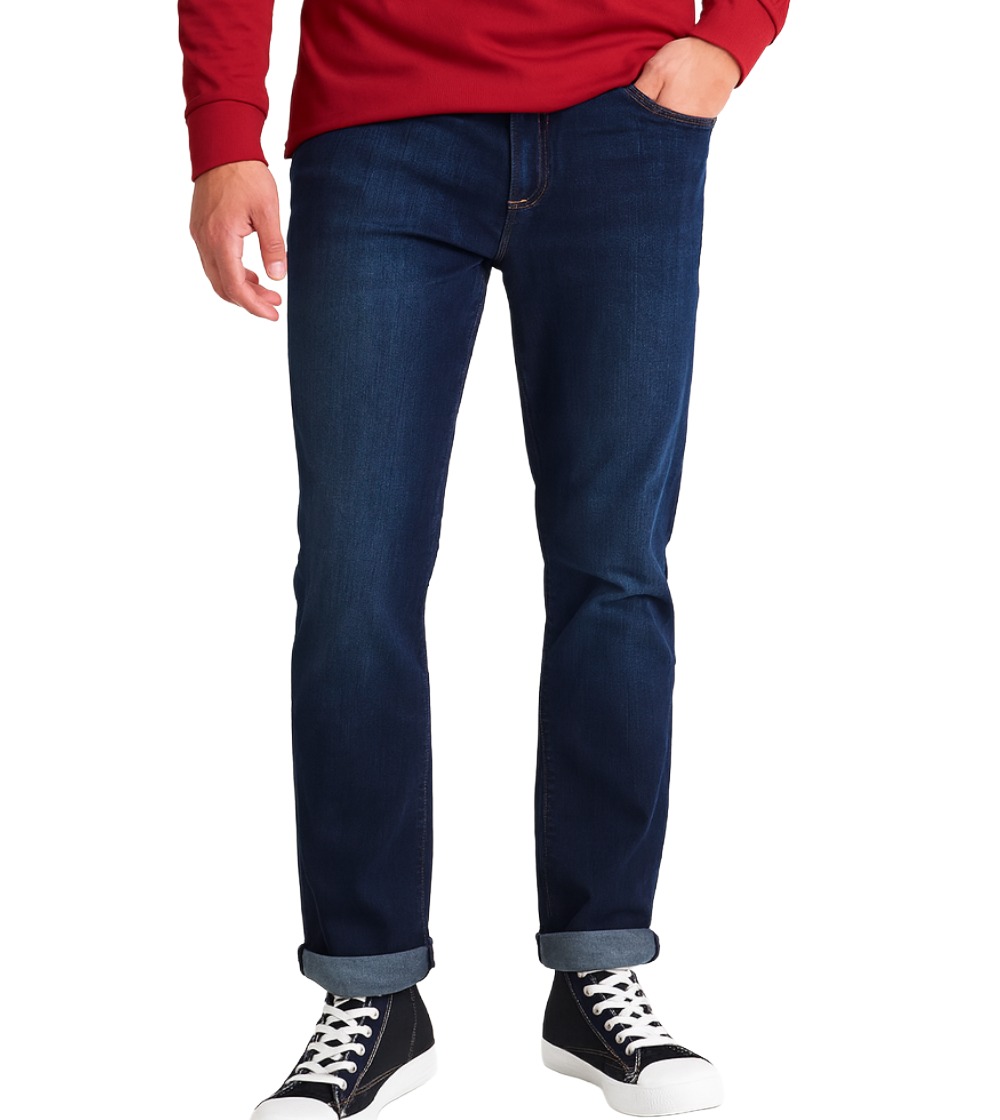
A modern slim profile with a clean, minimally processed finish that maintains the integrity of the fibres while offering all-day comfort. Ideal for refined everyday wear.
https://blackwhitejeans.com/icon-mens-slim-stretch-jeans-black-mjss17/
Sara Women’s Mid Rise Skinny Jeans – Black
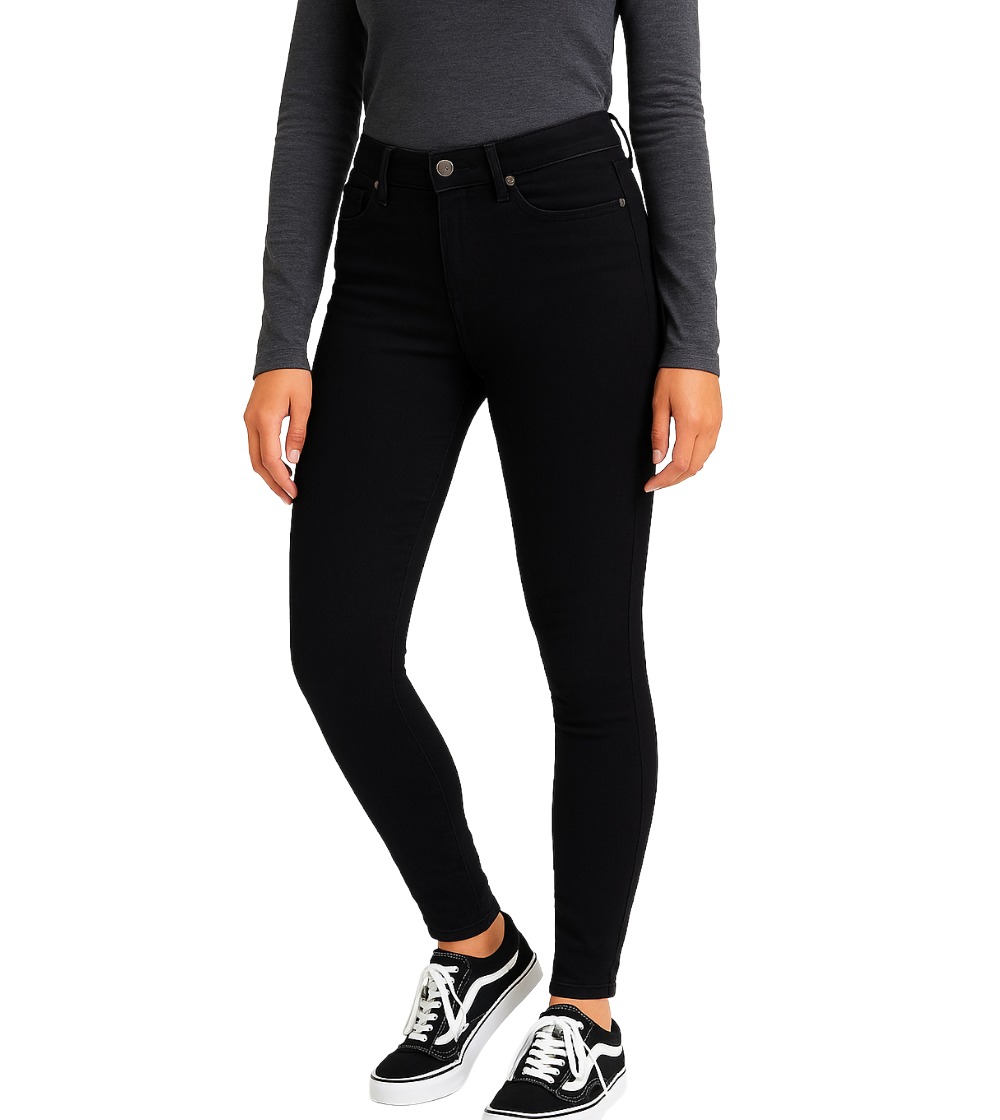
A lightweight, flexible skinny fit that highlights the benefits of soft, enzyme-style finishing. Smooth against the skin and flattering from waist to ankle.
https://blackwhitejeans.com/sara-womens-mid-rise-skinny-jeans-black-wsmjb1/
Each piece reflects the advantages described in this article: greater comfort, better durability and a modern, naturally faded finish achieved without aggressive methods. If you’re looking for denim designed for real life, these are the essential everyday options.
FAQs
Is Sand Blasting safe for denim finishing?
Sand blasting creates dramatic fades but is associated with fibre damage and silica dust exposure. Many manufacturers have shifted away from this method due to safety concerns.
What is Enzyme Washing in denim?
Enzyme washing uses cellulose-digesting enzymes to gently soften denim, remove excess dye and create natural, smooth fades. It is eco-friendly and preserves fabric integrity.
Which denim finish lasts longer?
Enzyme-washed denim generally lasts longer because the process does not rely on abrasive erosion, ensuring yarn strength and maintaining the garment’s structure over time.